
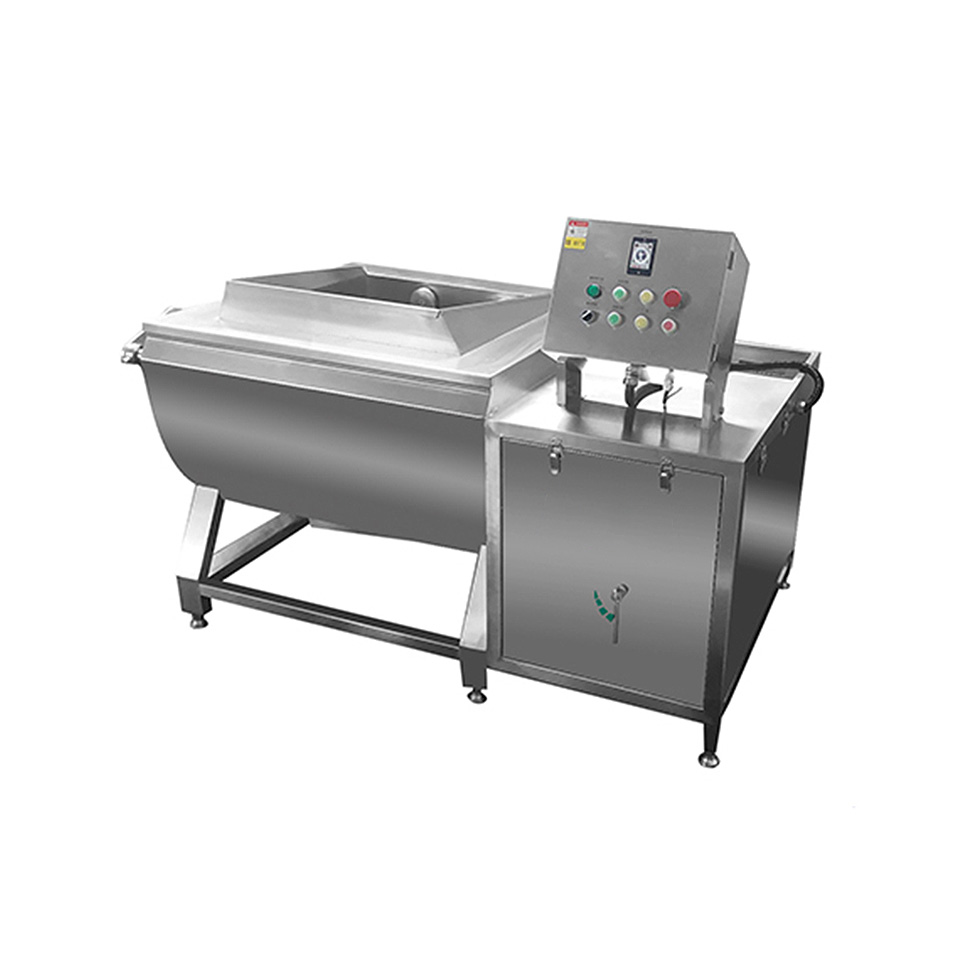
A practical B2B checklist for specifying a commercial vegetable washing line, covering washing stages, water reuse, filtration, drainage, sanitation access, and project acceptance points.
Commercial Vegetable Washing Line: Water Reuse and Sanitation Checklist for 2026 Buyers
A commercial vegetable washing line is an integrated food processing system used to remove soil, sand, leaf residue, and surface contamination from leafy vegetables, root vegetables, and fresh-cut produce before cutting, dewatering, packing, or cooking. For central kitchens, meal delivery plants, and fresh-cut vegetable processors, the line is not just a washer; it is the wet-area control point that decides water consumption, sanitation workload, product damage, and downstream stability.
Where a Vegetable Washing Line Fits in the Plant
In a typical fresh produce workflow, the washing line sits after receiving, trimming, and rough sorting, and before cutting, centrifugal dewatering, weighing, or modified atmosphere packing. Jinan Shunxiang Central Kitchen usually treats this section as a process system rather than a single machine, because the buyer must match bubble washing, spray rinsing, lift conveying, impurity removal, and drainage to the actual vegetable type. Leafy greens need gentle agitation and enough overflow; potatoes, carrots, and lotus roots need stronger sediment separation; cut vegetables need shorter residence time to reduce nutrient loss and edge damage.
A useful specification starts with real input conditions: hourly capacity, vegetable size range, soil load, cutting state, water temperature target, available floor drain position, and whether the plant will connect the line to an ozone, chlorine dioxide, or other approved sanitation process. Final specifications should be confirmed according to the selected model, project requirements, and supplier technical files.
Key Parameters Buyers Should Specify
| Item | What to Confirm | Why It Matters |
|---|---|---|
| Nominal throughput | 300-2000 kg/h by product type | A washer rated for cabbage may not reach the same output on spinach or trimmed lettuce. |
| Tank and belt width | Match crate size, manual feeding, and inspection access | Too narrow a belt causes product piling and uneven washing. |
| Water circulation | Independent circulation pump, filter screen, overflow, and drain valve | Water reuse saves consumption only when sediment is removed continuously. |
| Spray pressure | Adjustable spray section rather than fixed high pressure | High pressure can damage leaves and push soil into product folds. |
| Drainage slope | Wet floor slope and trench location confirmed before installation | Poor drainage turns the washing area into a sanitation risk. |
Water Reuse Must Include Filtration
Water reuse is useful only when the line includes sediment separation and visible filter maintenance. In project reviews, the most common weak point is a buyer asking for “water saving” but leaving no space for a screen box, settling tank, or accessible drain. A commercial vegetable washing line should allow operators to remove sand, leaves, and floating impurities without stopping the whole line for a long cleaning cycle.
For leafy vegetables, overflow direction matters. Dirty water should move away from the final rinse zone, not back toward clean product. For root vegetables, the first tank should handle the heaviest sediment load and discharge sludge through a low drain point. If the plant uses a sanitizing agent, dosing, contact time, water change frequency, and local food safety rules must be defined by the buyer’s quality team.
Sanitation Access Is a Procurement Item
Buyers often compare motor power and stainless steel grade, but the line becomes expensive to own when operators cannot reach the tank corners, spray pipes, filter baskets, and underside of belts. A better procurement checklist asks whether guards can be opened without special tools, whether nozzles can be removed for descaling, whether the conveyor belt can be lifted or loosened, and whether electrical boxes are placed away from direct splash zones.
Food-contact parts should use materials suitable for wet food processing, and welds, fasteners, and dead corners should be reviewed before acceptance. For export projects, the buyer should also confirm local electrical voltage, plug standard, documentation language, spare nozzle specification, and whether the supplier can provide layout drawings before production.
Buyer Checklist Before Ordering
- Define three real products for testing, not only one easy sample.
- Confirm whether vegetables enter whole, trimmed, peeled, or already cut.
- Mark clean water inlet, recycled water route, overflow outlet, and sludge drain on the layout.
- Ask for pump, motor, belt, nozzle, bearing, and seal specifications in the quotation file.
- Check whether the washing line connects smoothly with vegetable cutters and centrifuge dewatering machines.
- Reserve floor space for operators to clean filters and open maintenance panels.
Common Mistakes in Wet-Line Projects
The first mistake is buying by hourly capacity alone. A 1000 kg/h target means different things for cabbage, bean sprouts, chopped leek, and peeled potatoes. The second mistake is ignoring drainage until the machine arrives. If the floor trench is on the wrong side, operators use temporary hoses and the wet area becomes difficult to clean. The third mistake is using one fixed spray setting for all vegetables. Tender leaves, mushrooms, and root vegetables need different mechanical force.
Jinan Shunxiang Central Kitchen recommends confirming a short process route before choosing the washer: rough wash, impurity removal, secondary wash, final rinse, lifting, dewatering, and inspection. This route helps buyers judge whether they need one tank, two tanks, a bubble washer plus spray elevator, or a more complete fresh-cut vegetable processing line.
FAQ
What is the most important specification for a commercial vegetable washing line?
The most important specification is the match between vegetable type, soil load, washing stages, and water circulation design. Capacity alone is not enough for procurement.
Can recycled water be used in vegetable washing?
Recycled water can be used in early washing stages when filtration, overflow, sediment discharge, and food safety controls are properly designed. Final rinse water should follow the buyer’s local hygiene rules.
How should a buyer connect washing with cutting and dewatering?
The discharge height, belt speed, product pile depth, and drainage between machines should be confirmed on a layout drawing before production. This prevents product blockage and excess water entering the cutter or packing area.
What should be checked during factory acceptance?
Buyers should check welding quality, spray coverage, drain speed, filter removal, pump access, electrical protection, and whether the test vegetables are cleaned without unacceptable bruising.
Conclusion
A commercial vegetable washing line should be purchased as a wet-process system, not as an isolated tank. Buyers who define product type, water reuse, filtration, drainage, sanitation access, and downstream connection before ordering will get a line that is easier to run and easier to clean. For equipment categories and project discussions, visit hymic.com and review Jinan Shunxiang Central Kitchen food processing equipment options.